Fire Suppression Systems in Pune
Automatic protection for the spaces where water is not an option — server rooms, electrical panels, DG sets and commercial kitchens. Designed, installed and maintained by FIRENET.
Put the fire out before it spreads — without damaging what you are protecting
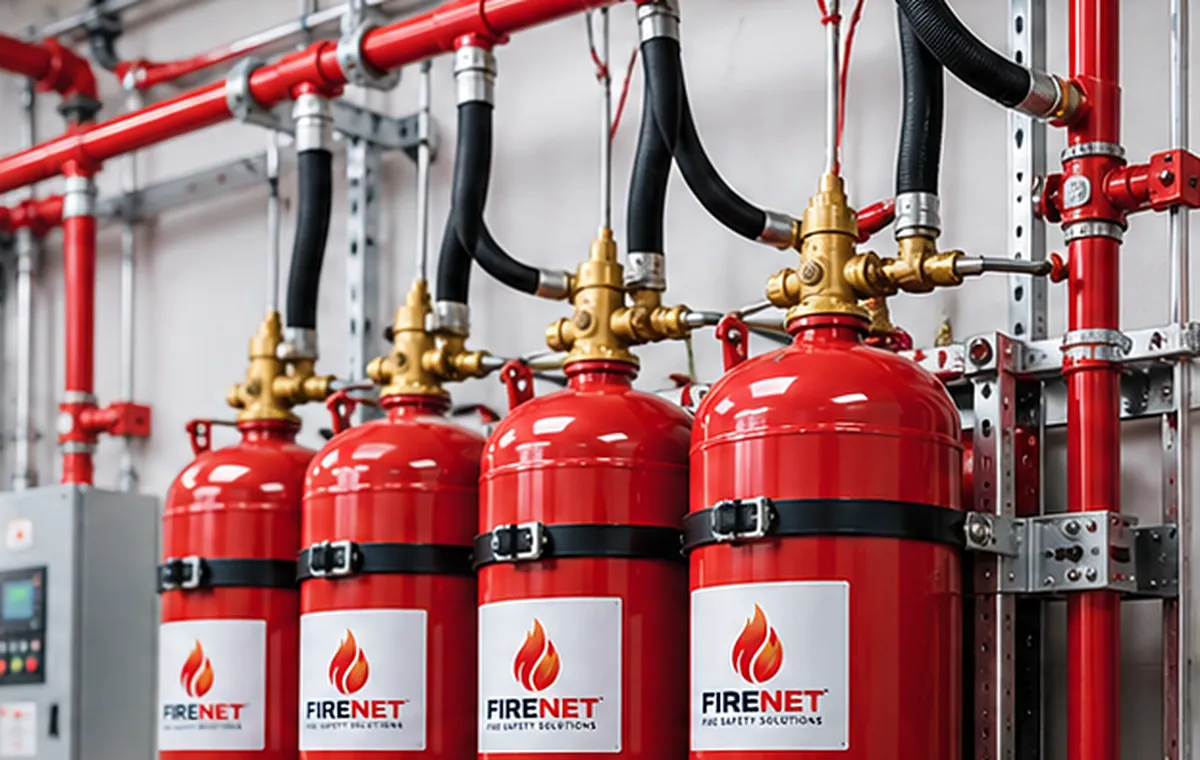
Suppression systems detect a fire in an enclosed space or piece of equipment and discharge an extinguishing agent automatically. They are used where a sprinkler would cause unacceptable damage or would not be effective — data centres and server rooms, electrical and control panels, UPS and battery rooms, DG sets and commercial kitchen hoods.
Choosing the right agent matters. Clean agents leave no residue and are suitable for occupied rooms with sensitive electronics. CO₂ is highly effective for unoccupied spaces and electrical equipment but needs strict safety interlocks. Wet chemical systems are designed specifically for cooking-oil fires in kitchen hoods and ducts. FIRENET helps you pick the right system and keeps it charged, tested and ready.
Spaces we protect
- Server rooms, data centres and network rooms
- Electrical panels, MCC and PCC rooms
- UPS and battery rooms
- DG sets and transformer areas
- Commercial kitchen hoods and exhaust ducts
- Archives and record rooms
Suppression Solutions
Clean Agent Systems
Total-flooding systems using approved clean agents for server rooms and control rooms — residue-free and suitable for occupied spaces when correctly designed.
CO₂ Systems
Total-flooding or local-application CO₂ for unoccupied electrical rooms, DG enclosures and industrial equipment, with lock-off and warning devices.
Kitchen Hood Suppression
Wet chemical systems for restaurant and canteen hoods, plenums and ducts, with automatic gas shut-off.
Panel Protection
Tube-based direct and indirect systems that detect and suppress fires inside electrical panels.
Detection & Control
Cross-zoned detection, release panels, abort and manual release stations, hooters and “gas discharged” signs.
Refilling & AMC
Cylinder weight and pressure checks, room integrity advice, control panel testing and agent refilling.
Clean Agent, CO₂ or Wet Chemical?
A quick comparison to start the conversation. Final selection depends on the room, occupancy and equipment.
| System | Best suited for | Things to know |
|---|---|---|
| Clean agent | Server rooms, control rooms, archives | No residue; room must be reasonably sealed to hold the agent concentration |
| CO₂ total flooding | Unoccupied electrical rooms, DG enclosures | Not for normally occupied rooms; needs lock-off, pre-discharge alarm and delay |
| Wet chemical (kitchen) | Commercial kitchen hoods, fryers, ducts | Designed for cooking-oil fires; linked to fuel/gas shut-off |
| Tube-based panel system | Individual electrical panels and cabinets | Detects and suppresses inside the panel; low cost per panel |
Designs follow the manufacturer’s approved design manual and applicable standards such as NFPA 2001 for clean agents.
From risk to protection
Risk survey
We review the room, equipment, occupancy and existing detection.
Agent & design
Agent quantity, nozzle layout and detection zones calculated for the room.
Installation
Cylinders, pipework, nozzles, release panel and warning devices installed.
Commissioning
Detection, abort and release circuits tested; staff shown how the system works.
AMC & refilling
Periodic checks of cylinder contents, panel and room integrity.
Frequently Asked Questions
Clean agents used in total-flooding systems are selected and designed so that the concentration is suitable for normally occupied spaces, when installed to the approved design. Staff should still leave the room when the pre-discharge alarm sounds.
CO₂ is not recommended for normally occupied rooms because the design concentration is dangerous to people. For server rooms we usually recommend a clean agent system. CO₂ is a good option for unoccupied electrical rooms and enclosures with proper safety interlocks.
Commercial kitchens with fryers and heavy cooking are a major fire risk, and hood suppression is widely required by fire authorities, malls and insurers. A wet chemical system is designed specifically for cooking-oil fires and can also shut off the gas supply.
Cylinder weight or pressure, the control panel and detectors should be checked at regular intervals under an AMC, typically every six months, with any loss of agent investigated and refilled.
Ventilate the room once the fire is confirmed out, then call us. We inspect the system, refill or replace cylinders and reset the panel so protection is restored quickly.
What Our Clients Say
Need a reliable fire suppression system?
Free site assessment, a clear written quote and documentation you can hand to the fire authority or your insurer.