Fire Alarm & Detection Systems in Pune
Early warning saves lives. FIRENET installs, programs, tests and maintains conventional and addressable fire alarm systems for offices, factories, hospitals, schools and housing societies.
Detect early, alert everyone, act fast
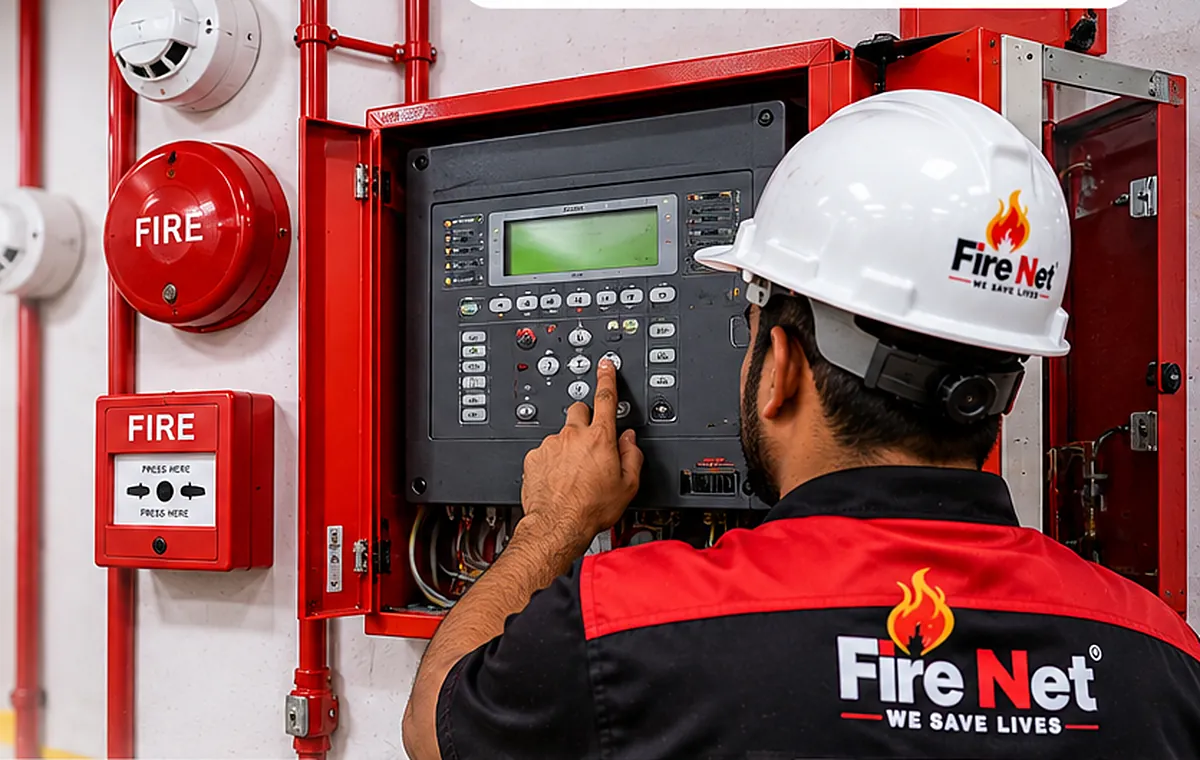
A fire alarm system detects smoke or heat, or lets anyone raise the alarm with a manual call point, and then warns everyone in the building through hooters, sounders and strobes. Connected systems can also shut down air handling units, release access-controlled doors, bring lifts to the ground floor and signal the fire pump or suppression system.
The right system depends on the size and layout of your building. Smaller sites often use a conventional panel where detectors are grouped into zones. Larger or multi-floor buildings benefit from an addressable panel that shows the exact detector in alarm, which saves valuable time. FIRENET designs to IS 2189 and NBC 2016 Part 4, and keeps systems healthy with testing that goes beyond checking the panel lights.
System components we supply and maintain
- Conventional and addressable fire alarm control panels
- Smoke, heat and multi-sensor detectors
- Manual call points, hooters, sounders and strobes
- Response indicators, interface modules and cabling
- Public address / voice evacuation integration
Fire Alarm Services
System Design
Detector type and spacing, zoning and cable routes based on room use, ceiling height and IS 2189.
Installation & Wiring
Fire-rated cabling, panel installation, detectors, call points and sounders with neat, labelled wiring.
Programming
Addressable device mapping, cause-and-effect logic and interfaces to lifts, AHUs, doors and PA systems.
Testing & Commissioning
Every detector and call point tested, sounder audibility checked and battery standby verified.
AMC & Fault Rectification
Detector testing, detector cleaning (charged separately), false-alarm investigation, earth-fault and open-circuit repairs.
Upgrades
Replacing obsolete panels and detectors, and extending systems after renovations.
Which Detector Goes Where
Using the wrong detector is the biggest cause of false alarms and missed fires. Here is how we match them to each area.
| Area | Recommended detection | Why |
|---|---|---|
| Offices, corridors, bedrooms | Optical smoke detector | Fast response to smouldering fires in normal environments |
| Kitchens, pantries | Heat detector (rate-of-rise or fixed) | Cooking fumes would cause false alarms with smoke detectors |
| Boiler rooms, workshops | Fixed-temperature heat detector | Dust and fumes make smoke detection unreliable |
| Server and electrical rooms | Smoke detection, often cross-zoned with suppression | Very early warning protects critical equipment |
| Large warehouses, atria | Beam or multi-sensor detection | High ceilings reduce point-detector performance |
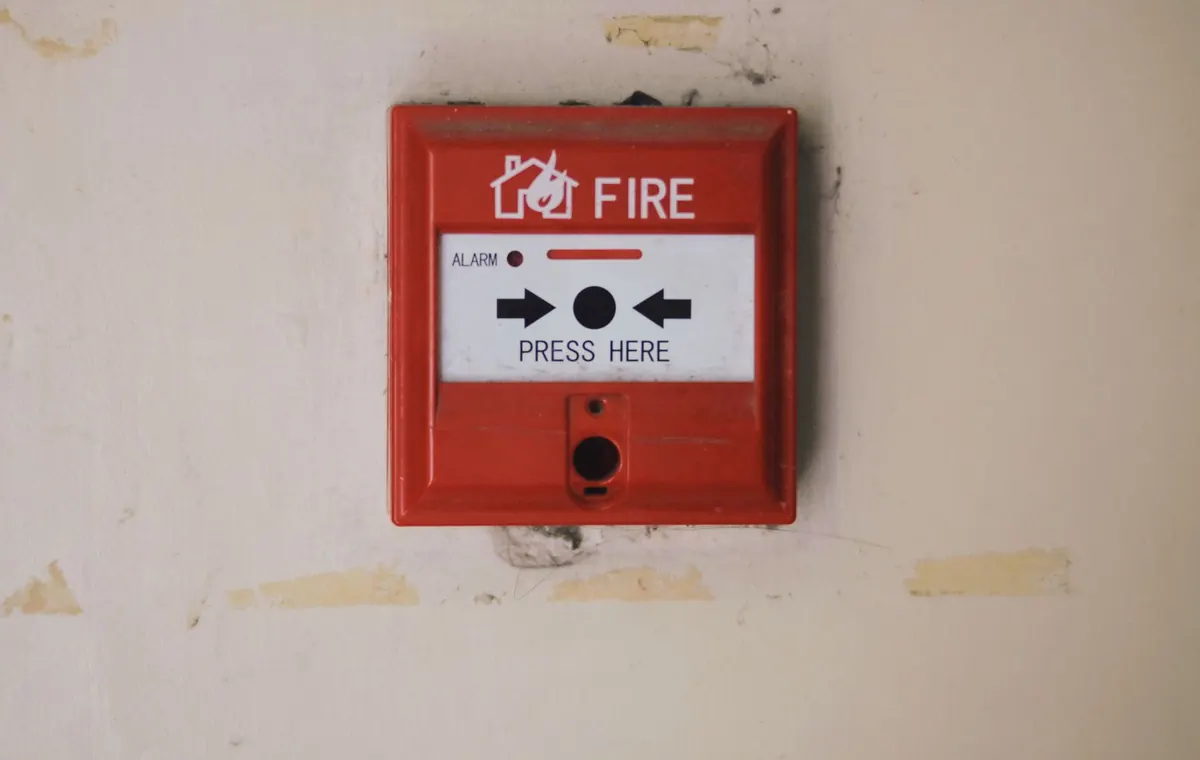
| Exits and staircases | Manual call points | Lets anyone raise the alarm while evacuating |
Final detector selection follows a site survey and IS 2189 guidance for spacing and mounting heights.
How we keep alarms reliable
Survey
Room-by-room review of use, ceilings and existing devices.
Design & quote
Device layout, panel selection and cable routing, with a fixed written quote.
Install & program
Panel, devices and cabling installed; addressable points named by location.
Test everything
Every device tested and logged; sounder levels and battery backup checked.
Maintain
Periodic testing and cleaning under AMC with records for Form B and NOC.
Frequently Asked Questions
Common causes are the wrong detector type in kitchens or dusty areas, dirty or ageing detectors, damaged cabling and water ingress. We investigate the event history, test the affected devices and fix the root cause instead of simply disabling zones.
Conventional panels are cost-effective for small, simple buildings. Addressable systems identify the exact device in alarm, which makes a big difference in multi-floor buildings, hospitals, hotels and large offices. We recommend based on size and layout.
A short weekly test of a call point by site staff is good practice, with professional inspection and device testing at regular intervals under an AMC. Every detector should be tested over the course of the year.
Yes. Through interface modules and cause-and-effect programming the panel can trip AHUs, release access-controlled doors, ground lifts and trigger voice evacuation. We test these interfaces during commissioning and maintenance.
Requirements depend on building height and local fire authority rules. Many high-rise societies have detection or manual call points in common areas and lift lobbies, and all installed systems must be kept in working order and certified in Form B.
What Our Clients Say
Need a reliable fire alarm system?
Free site assessment, a clear written quote and documentation you can hand to the fire authority or your insurer.