
Wireless Fire Alarm Systems in Pune
Full fire detection without chasing cables through ceilings and walls. Ideal for occupied offices, hotels, heritage buildings, temporary sites and quick upgrades.
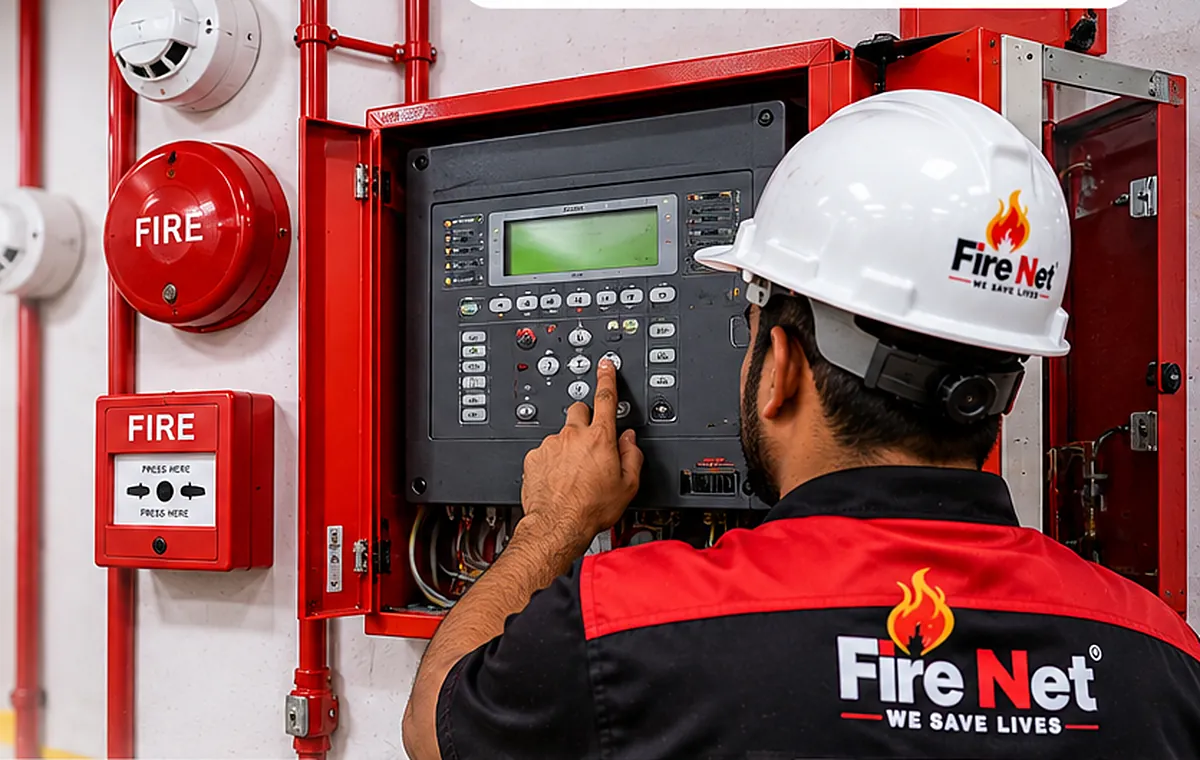
Detection that goes in quickly — with far less disruption
In a wireless fire alarm system, detectors, manual call points and sounders communicate with the control panel by radio instead of cables. Only the panel and a few radio expanders or translator modules need wiring. That means installation is faster, cleaner and far less disruptive — a big advantage in buildings that are occupied, finished or difficult to cable.
FIRENET starts every wireless project with a radio site survey to check signal strength and plan device and expander positions. We use radio-linked devices designed for fire alarm use (such as those tested to EN 54-25), which continuously monitor their communication link and battery status and report faults to the panel.
Where wireless makes sense
- Occupied offices and IT floors that cannot be shut down
- Hotels, hostels and service apartments
- Heritage, stone or glass buildings that are hard to cable
- Temporary sites, site offices and warehouses
- Extending an existing wired system to a new area (hybrid)
Wireless Alarm Services
Radio Site Survey
Signal strength measured on site to plan device and expander positions before installation.
System Design
Detector types and spacing as per IS 2189 principles, with radio links planned for reliability.
Quick Installation
Minimal cabling, less dust and noise — most areas can stay in use during the work.
Hybrid Systems
Wireless devices added to compatible wired panels to extend coverage.
Commissioning
Every device tested for alarm, fault and signal quality, with results recorded.
Battery & AMC
Periodic testing and planned battery replacement as per manufacturer guidance.
Wired vs Wireless
Both are reliable when designed and maintained correctly. The right choice depends on your building.
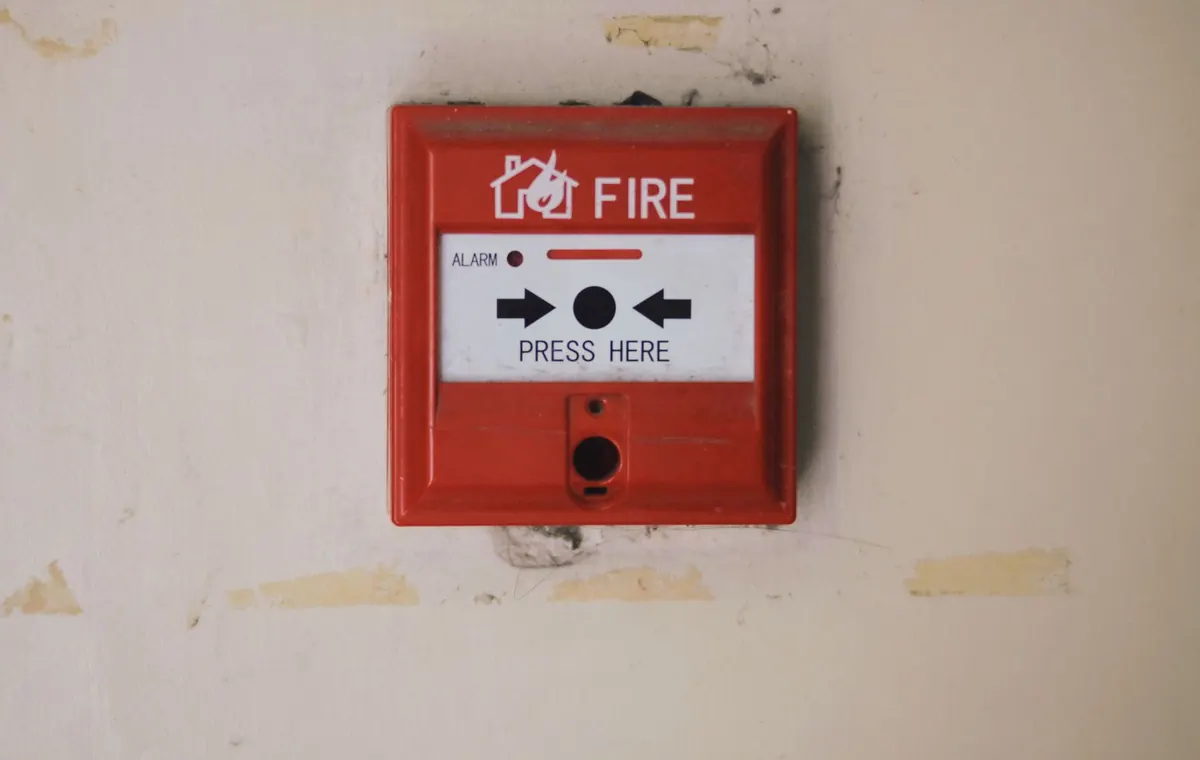
| Factor | Wired system | Wireless system |
|---|---|---|
| Installation time | Longer — cabling to every device | Shorter — mainly device mounting |
| Disruption | Ceiling and wall work, dust | Minimal; suitable for occupied spaces |
| Equipment cost | Lower per device | Higher per device |
| Layout changes | Re-cabling needed | Devices can be relocated more easily |
| Maintenance | Standard testing | Standard testing plus periodic battery replacement |
Overall project cost often evens out once labour, making good and downtime are included. We compare both options for your site.
How we deliver it
Survey
Room-by-room review and radio signal survey.
Design & quote
Device layout, expanders and panel, with a fixed quotation.
Install
Panel, expanders and devices fitted with minimal disruption.
Commission
Alarm, fault and signal-quality tests for every device.
Maintain
Periodic testing and battery replacement under AMC.
Frequently Asked Questions
When designed properly with fire-rated radio devices, a wireless system is reliable. Devices continuously check their radio link and battery and report any fault to the panel. A site survey before installation is essential.
Battery life depends on the device and manufacturer and is typically several years. We plan replacements as part of maintenance so batteries are changed before they run low.
Often, yes — if the panel supports a compatible radio interface. This hybrid approach is a cost-effective way to extend coverage to new areas.
Wireless devices cost more individually, but savings on cabling, labour and downtime often make the total project cost comparable, especially in occupied or finished buildings.
What Our Clients Say
Need a reliable wireless fire alarm?
Free site assessment, a clear written quote and documentation you can hand to the fire authority or your insurer.